



# Precision Fermentation: A New Era in Meat Science
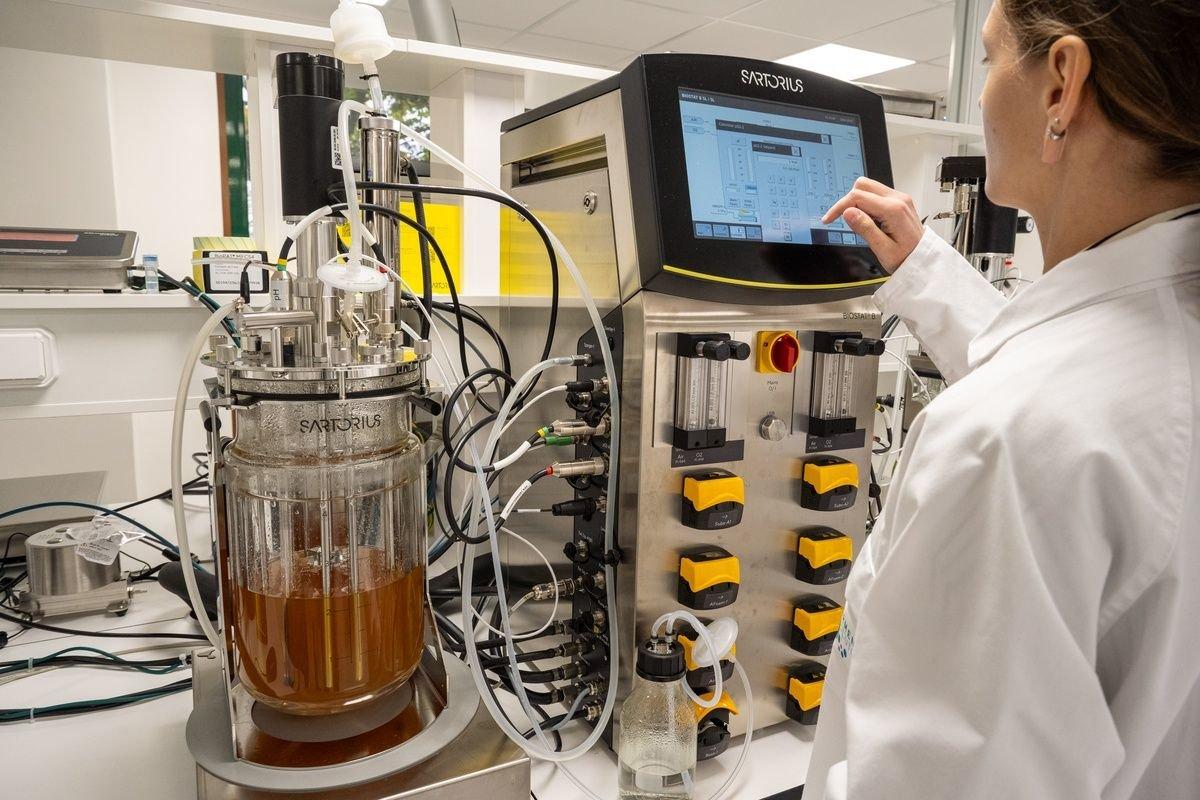
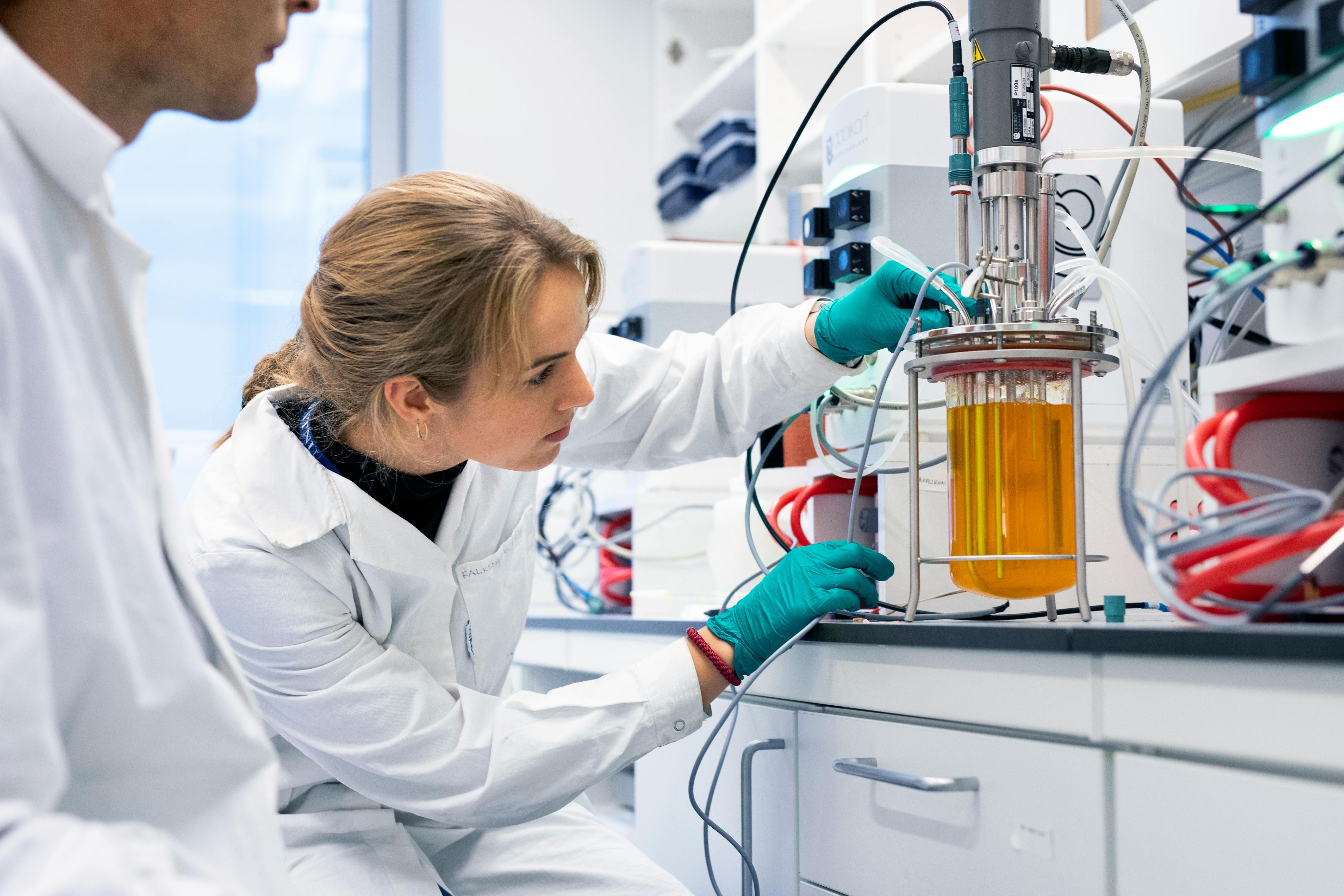
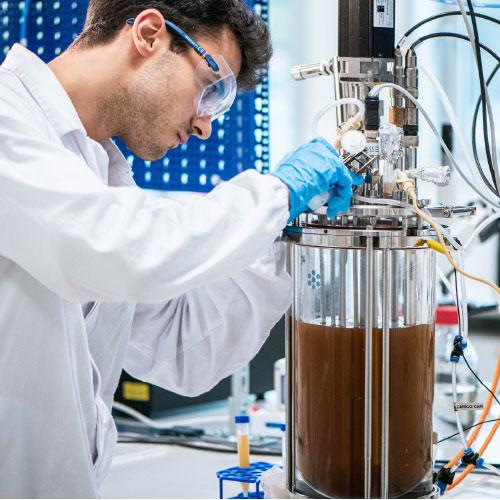
The meat industry is changing as scientists look for better ways to produce healthy, safe, and sustainable food. One exciting innovation is **precision fermentation**. This modern technology uses tiny living organisms, such as yeast or fungi, to produce important ingredients like proteins, healthy fats, enzymes, and natural flavors that are normally found in animals.
Unlike traditional fermentation used to make foods like yogurt or bread, precision fermentation is much more advanced. Scientists carefully guide these microorganisms to produce specific ingredients with high accuracy. These ingredients can be added to meat products to improve their taste, color, texture, and freshness. They can also be used to create new types of meat products that combine conventional meat with sustainable protein sources.
One of the biggest advantages of precision fermentation is its positive impact on the environment. It requires less land, water, and energy than traditional livestock farming and can help reduce greenhouse gas emissions. As the technology continues to improve, it has the potential to make meat production more sustainable while still providing consumers with the quality and flavor they expect.
Although there are still challenges, such as reducing production costs, increasing large-scale manufacturing, and gaining consumer trust, researchers around the world are making rapid progress. In the coming years, precision fermentation is expected to become an important part of the food industry.
For meat scientists and food professionals, this technology opens new opportunities to develop innovative, nutritious, and environmentally friendly meat products that can help meet the growing global demand for protein.

Indian Meat Science Association
Est. 2001 | Reg. No: 307/2001